The Ancient Art of Japanese Incense
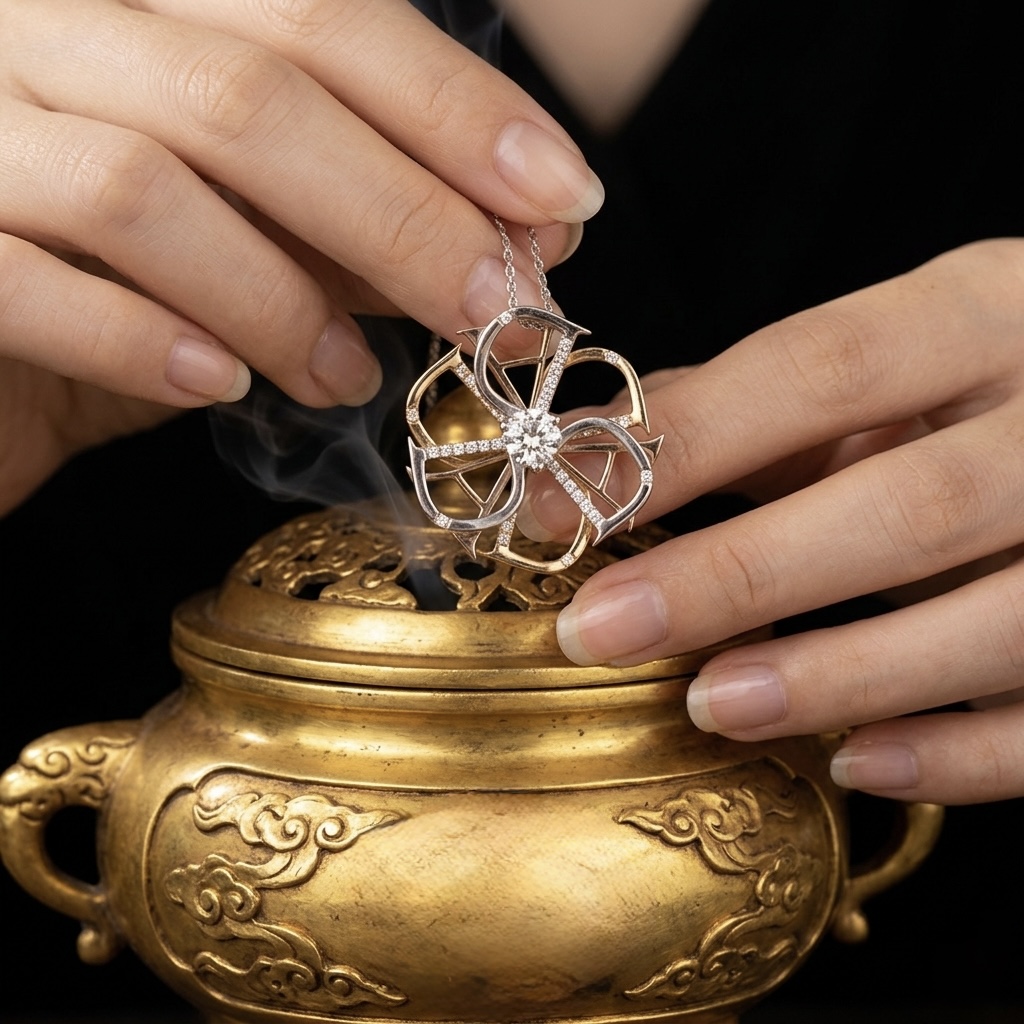
The candle is not lit. There is no flame. The brazier contains a small piece of glowing charcoal, buried beneath a layer of fine ash, with a tiny fragment of wood resting on a mica plate above it. Slowly, without smoke, the wood begins to release its scent.
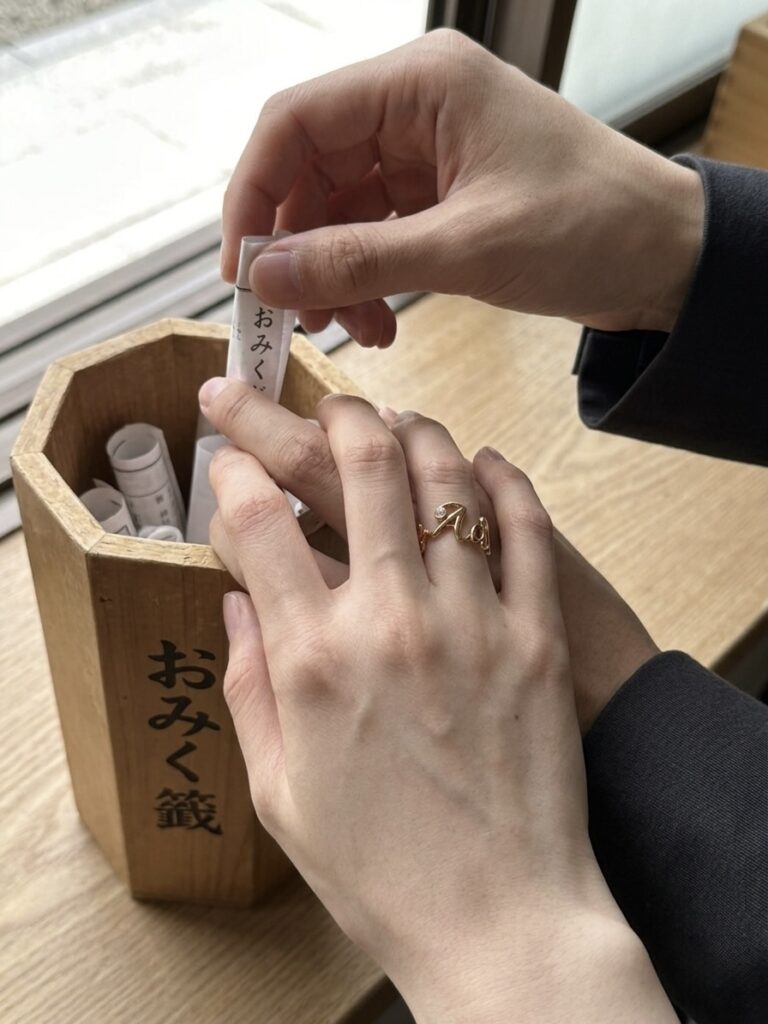
The participants in the room — seated on tatami, hands folded — lift the incense cup one at a time and breathe in. Then they write their answer on a paper slip. Not “what does this smell like?” That would be too easy. The question is: which passage of classical poetry does this scent remind you of?
This is Kodo — literally, “the way of incense” — and it is one of the three classical Japanese arts, alongside the tea ceremony and ikebana flower arranging. It is practiced with the kind of attention that modern life rarely permits, and it produces a quality of concentration that no wellness app has yet replicated.
Where It Came From
Incense arrived in Japan from China via Buddhist monks in 538 CE, initially used in temple rituals to purify spaces and please the gods. By the Heian period (794–1185), the aristocracy had appropriated it entirely. Courtiers competed at incense-blending games. Love letters were perfumed before sending. The quality of a nobleman’s personal fragrance was considered as significant a social signal as the cut of his robes.
The practice became systematised in the Muromachi period (1336–1573), when two schools of Kodo — Oie and Shino — were formally established. These schools codified the rituals, the equipment, and the games that are still practiced today by an estimated 200,000 people in Japan and a growing community worldwide.
The Material: Aloeswood
At the centre of Kodo is jinko — aloeswood, also known in the West as agarwood or oud. It is produced when the Aquilaria tree, native to Southeast Asia, becomes infected with a particular mould and responds by producing a dark, dense, fragrant resin in its heartwood. Trees without the infection produce nothing of value. Trees that have carried it for decades can be worth more per kilogram than gold.
The finest aloeswood comes from Vietnam, Laos, and historically from regions of China now almost entirely exhausted. The six classical categories of jinko in Japanese Kodo — Rakoku, Manaban, Manaka, Sumotara, Sasora, and Kyara — each describe wood from different origins with distinct aromatic profiles. Kyara, the rarest grade, is described by practitioners as simultaneously sweet, sour, spicy, bitter, and salty. It is considered the world’s most complex natural fragrance material.
One hundred grams of high-grade kyara sells, on good days, for approximately $50,000.
How a Session Works
A formal Kodo session is structured around a game — kumiko, the incense comparison — in which participants try to identify and distinguish between different scents.
In the simplest version, three pieces of the same wood and one of a different type are presented blind. Participants must identify which is the different piece. In advanced games, ten or more varieties are presented in a fixed sequence, then reshuffled and presented again. Participants must reconstruct the original order entirely from memory.
The equipment required is precise: a lacquered incense box containing individual compartments for each wood; a set of nested ash-forming tools; mica plates no larger than a fingernail; a specific sequence of hand gestures for receiving and passing the cup. Learning the gestures alone takes months.
Between the formality and the olfactory concentration, what practitioners describe is a state not unlike meditation — the complete absence, for the duration of the session, of any thought not related to what you are smelling.
Why It Matters Now
The global luxury fragrance market is currently undergoing what analysts politely call “a correction.” After decades in which synthetic musks and industrial ambers dominated prestige perfumery, consumers with serious money and educated noses have driven demand for authentic natural materials through the roof. Oud, in particular, has moved from a Middle Eastern speciality to the defining note of contemporary luxury fragrance.
None of this is new in Japan. The culture that has used aloeswood for fourteen centuries is watching the rest of the world arrive at conclusions it reached long ago.
The difference is that Kodo does not present fragrance as something you wear. It presents it as something you listen to — the word kodo contains the character for “listening” rather than “smelling.” The fragrance is not a product. It is an event.
How to Begin
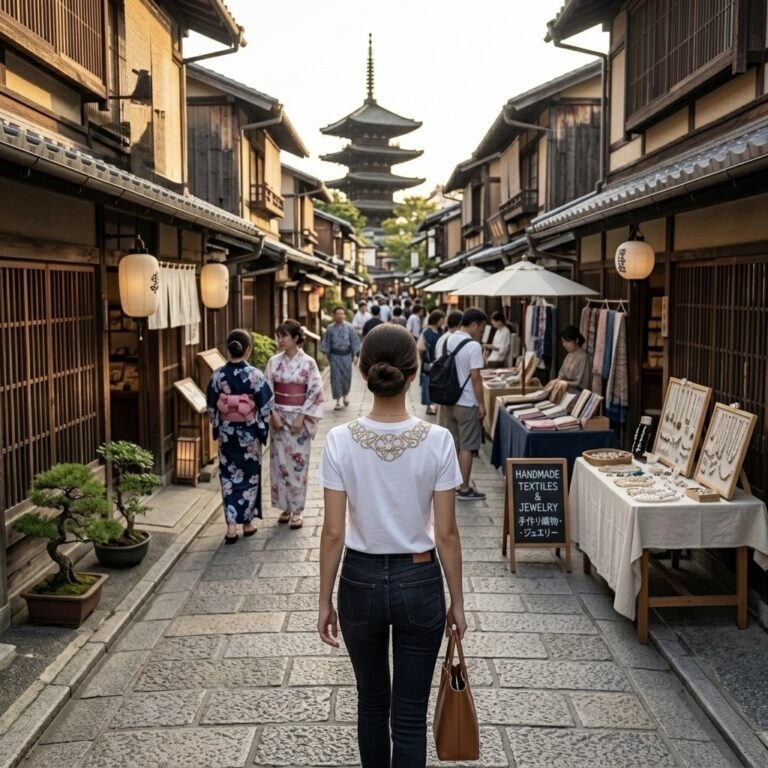
For those outside Japan, entry points are limited but expanding. Several cultural centres in major cities — Tokyo, Kyoto, London, New York — now offer introductory Kodo workshops. Online retailers specialising in Japanese arts stock basic jinko kits that allow home practice.
For those visiting Japan, the Shino school in Tokyo and the Yamada Matsu shop in Kyoto are the most accessible entry points. Both offer materials and, in some cases, formal instruction.
The investment in time is real. The return — an entirely different relationship with your own senses — is difficult to describe in any language other than the one it was created in.
ADAMAS JOURNAL covers the Japanese arts and culture that define the world’s most enduring luxury. Discover our collection at adamas-gold.jp